Barnes Bridge riverside garden maintenance case study
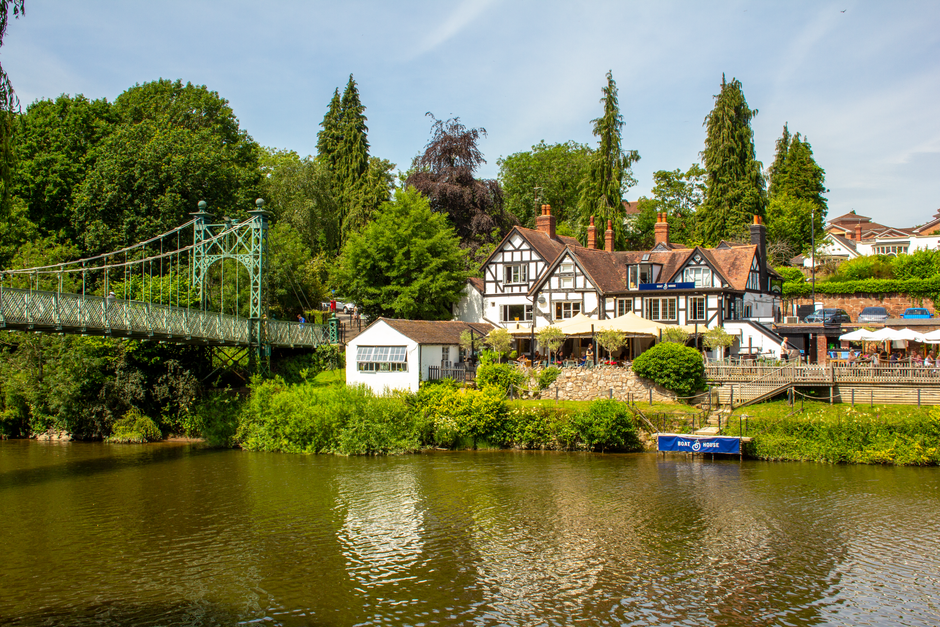
Riverside gardens look effortless from a distance. Up close, they are anything but. Wind funnels across the water, soil can be uneven or compacted, and plants never quite get the calm conditions you see in a sheltered city plot. That is exactly why a Barnes Bridge riverside garden maintenance case study is useful: it shows how a tricky London waterside setting can be kept tidy, resilient, and genuinely enjoyable without stripping away its character.
In this article, we walk through the maintenance approach, the problems that usually show up near the river, the practical decisions that make the biggest difference, and the standards a careful gardener should keep in mind. If you are weighing up regular care, a one-off reset, or a more structured seasonal plan, this should give you a clear, grounded picture. And yes, a little common sense goes a long way. More than people expect, to be fair.
Why Barnes Bridge riverside garden maintenance case study Matters
A riverside garden in Barnes Bridge faces a different set of pressures than a standard suburban border. The view may be beautiful, but the garden itself is often dealing with more wind exposure, more moisture movement, and more leaf debris than a sheltered plot. Add in mature planting, hard surfaces, boundary hedging, and the occasional need for privacy, and the maintenance picture becomes more layered very quickly.
This is why a case study approach matters. It helps break the job down into manageable parts instead of treating "garden maintenance" as one vague task. You can see how lawn care, hedge trimming, weeding, pruning, and hard-surface cleaning each support the wider result. In a riverside setting, one neglected area tends to show up in another. A patch of compaction can lead to thin grass. A hedge left too dense can trap damp. A patio left with algae can make the whole space feel tired.
It also matters because riverside gardens are often lived in every day, not just admired. People want somewhere that feels calm at breakfast, still usable after rain, and presentable when guests pop round. That's a real expectation, not a luxury. If you want the broader service context behind that kind of upkeep, the main garden maintenance page is a useful starting point, while the wider gardening services area helps frame how different tasks fit together.
Expert summary: Riverside maintenance is less about chasing perfection and more about keeping the garden balanced, resilient, and easy to live with through changing weather, seasonal growth, and everyday use.
How Barnes Bridge riverside garden maintenance case study Works
A sensible riverside maintenance programme starts with observation, not tools. Before anything is cut, cleared, or planted, the gardener needs to understand where wind hits hardest, where moisture lingers after rain, where people actually walk, and which plants are struggling for light. That first assessment shapes the whole plan.
In practical terms, the work usually falls into a few linked layers:
- Structure: hedges, shrubs, climbers, borders, and tree cover are managed so the garden keeps shape and proportion.
- Surface care: paths, patios, deck edges, and stepping areas are cleared, cleaned, and checked for slippery growth.
- Soil and planting care: beds are weeded, mulched, fed, and rebalanced if drainage or compaction is causing trouble.
- Seasonal protection: tender plants, newly planted shrubs, and wind-prone features are given extra support when the weather turns.
- Ongoing tidy-up: fallen leaves, spent growth, and overlooked corners are handled before they become the main event.
That last bit sounds small, but it is often where a riverside garden wins or loses its appearance. A five-minute check after a windy spell can save hours later. Same with weeds, really. If they are caught early, they are a nuisance; if not, they start telling everyone else what to do.
For gardens that need more than routine tidying, it can be worth pairing maintenance with targeted services like lawn care, hedge trimming, or even patio cleaning when surfaces have lost grip and colour. The point is not to do everything at once. The point is to choose the work that will make the whole garden easier to manage next month, not just prettier this afternoon.
Key Benefits and Practical Advantages
The biggest benefit of regular riverside garden maintenance is stability. Not dramatic transformation, not a showpiece makeover every time, just a garden that stays coherent. That has a surprisingly big effect on how the space feels to use.
Here are the advantages that matter most in a Barnes Bridge riverside setting:
- Better wind tolerance: clipped hedges, anchored climbers, and well-spaced planting cope better with exposed conditions.
- Healthier planting: regular feeding, mulching, and pruning reduce stress and help plants recover after poor weather.
- Safer movement: clear paths and cleaner patios reduce slip risk, especially when damp leaves and shade combine.
- More privacy: well-managed screening planting creates that tucked-away riverside feeling people usually want.
- Lower long-term effort: little-and-often care is far less exhausting than big rescue jobs every few months.
- Better value from the site: a garden with a view should still feel usable, not just decorative.
There is also a quieter benefit: confidence. When a garden is maintained properly, you stop dreading what you will find after a windy week or a wet spell. That matters more than people admit. You use the space more, and you worry about it less. Simple as that.
For some owners, the benefit is visual privacy. In others, it is family practicality or year-round usability. In a few cases, it is about reviving a tired outdoor space without removing the riverside character that makes the property special in the first place. If that sounds familiar, the ideas in breathing life back into a forgotten garden spaces and fast-flourishing hedges for a private haven fit the same problem perfectly.
Who This Is For and When It Makes Sense
This kind of maintenance is for anyone who has a garden close to the Thames or in a similarly exposed London position and wants it to stay neat without constant stress. That includes homeowners, landlords, and people managing a property for occasional use. It also suits anyone who has invested in planting but notices the same problems returning each season: bare patches, windburn, heavy weed growth, or hedges that look good for three weeks and then collapse into a shaggy mess.
It makes sense when the garden starts showing one or more of these signs:
- the lawn thins out after wet or windy weather
- moss or slick growth keeps returning on hard surfaces
- hedges lose shape faster than expected
- climbers overwhelm fences, frames, or boundary features
- the garden feels dull even though the plants are technically alive
- maintenance jobs keep getting bigger because nothing is being tackled early
It is also a sensible option when you want the garden to work for real life, not just for photos. Families need tidy sightlines and durable planting. Dog owners need surfaces that are easy to keep clean. People who entertain outdoors may want better seating areas and neater circulation space. If that is your situation, some of the thinking in building the perfect outdoor retreat with chic seating solutions and how to cultivate a dogfriendly landscape is worth folding into the maintenance plan.
Step-by-Step Guidance
Below is a practical way to approach a Barnes Bridge riverside garden maintenance project without overcomplicating it.
- Start with a full walk-through. Look at the garden in dry weather and again after rain if you can. Note where water collects, where plants lean, and where debris gathers.
- Separate the space into zones. Many riverside gardens have a few distinct areas: viewing points, access routes, borders, screening planting, and service corners. Each zone needs a different level of attention.
- Deal with structural growth first. Trim hedges, prune overextended shrubs, and tidy climbers before moving to the finer details. Shape creates order.
- Clear the ground layer. Remove weeds, fallen leaves, and any dead material that is smothering soil or making surfaces slippery.
- Assess lawn condition. If the grass is patchy, compacted, or shaded, it may need aeration, feeding, overseeding, or a more realistic maintenance rhythm.
- Refresh the soil. Add compost or mulch where beds look tired, especially after windy or drying periods.
- Check support and ties. Riverside gusts can loosen canes, stakes, and climber fixings. Small failures become bigger in bad weather, annoyingly quickly.
- Finish with a clean-down. Rinse or sweep paths, patio edges, and access points so the whole garden feels finished rather than half-done.
That sequence works because it respects cause and effect. For example, there is little point feeding a lawn before you have solved drainage or compaction. Likewise, there is no real sense in pruning shrubs neatly if the pathways they frame are clogged with algae or leaf mulch. One job feeds the next.
Where a garden has a lot of vertical structure, climbers may need special attention. You can build more privacy and softness with planting such as evergreen climbers in sheltered spots, but they need training and occasional restraint. The article on evergreen climbers for shade crafting hidden oases is a useful companion read for that side of the job.
Expert Tips for Better Results
These are the small decisions that often separate a decent maintenance visit from a genuinely good one.
- Trim for airflow, not just neatness. In riverside gardens, letting a hedge become too dense can trap damp. A lighter, well-shaped hedge often performs better than a hard boxy wall.
- Use mulch deliberately. A thin, well-applied layer suppresses weeds and steadies moisture. Too much, and you can suffocate the bed. Not ideal.
- Choose plants with a job. Every plant near Barnes Bridge should earn its keep in some way: screening, structure, softness, seasonal interest, or pollinator value.
- Protect the edges. The outer boundary of a garden gets the worst weather. Train, stake, and recheck those areas first.
- Keep one eye on the future shape. Good maintenance is partly editing, partly foresight. What looks fine now may be a problem in six weeks.
- Stay on top of weeds early. Waiting makes the whole job harder. The practical advice in three tips for weed control fits neatly here.
If you are dealing with a wetter corner or a less fertile bed, compost and soil improvement can make a noticeable difference over time. There is a good reason so many gardeners come back to the basics of feeding and replenishing. The article on sustainable fertility through composting is especially relevant if you want a low-waste maintenance routine.
And for gardens that feel exposed to the weather, do not underestimate the value of simple protection. A few thoughtful interventions before the season changes can save a lot of cleanup later. The post on creative solutions for severe weather and the guidance on combatting winds and growing success speak directly to that reality.
Common Mistakes to Avoid
Riverside maintenance goes wrong in predictable ways. The good news is that most of them are avoidable once you know what to watch for.
- Cutting everything back too hard. Harsh pruning can leave a garden looking bare and exposed, and sometimes it stresses the plant more than it helps.
- Ignoring drainage signs. If water hangs around in one spot, the issue is rarely cosmetic. It usually affects roots, lawn quality, and surface safety.
- Letting ivy or climbers run wild. A little control early prevents structural damage later. For a straightforward look at that issue, see how to banish ivy for good.
- Using the same approach all year. Winter, spring, summer, and autumn all ask for different priorities. A one-size-fits-all plan tends to fail quietly, then suddenly.
- Overlooking the hard landscape. A beautiful planting scheme can be undermined by grimy paving or a worn deck edge. It's a bit unfair, but that is how people experience the space.
- Leaving maintenance until a special occasion. Then everything becomes a rush. Not fun.
There is also a softer mistake: trying to make a riverside garden behave like a formal courtyard when the site clearly wants something more relaxed. Sometimes the best result is a controlled, naturalistic style with strong structure underneath. Let the location breathe a little.
Tools, Resources and Recommendations
You do not need a van full of equipment to maintain a river-facing garden properly, but the right tools make the work safer and cleaner. At minimum, a well-maintained set of hand tools, pruning equipment, a decent rake, a broom for hard surfaces, and basic lawn care gear can transform the pace of the job.
For more involved maintenance, these categories are worth considering:
- Cutting tools: secateurs, loppers, hedge trimmers, and pruning saws for shaping and renewal work.
- Surface tools: stiff brooms, scrapers, and pressure-safe cleaning methods for patios and paths.
- Soil tools: forks, aerators, mulching forks, and feed spreaders for beds and lawns.
- Support materials: ties, stakes, plant clips, and guard systems for wind-prone growth.
- Protective gear: gloves, eye protection, sturdy footwear, and weather-appropriate clothing. Not glamorous, but very necessary.
If you are mapping out what a maintenance visit should include, the practical guidance on tools to enhance every gardener's outdoor paradise can help you think more clearly about setup and workflow. For recurring upkeep, service pages such as lawn mowing, tree surgery, and fencing can be relevant where the job extends beyond planting alone.
For anyone comparing how to tackle a tired space, the inspiration in forgotten garden spaces and the more design-led ideas in vertical gardens can be useful starting points. Sometimes the practical answer is also the nicest-looking one.
Law, Compliance, Standards, or Best Practice
For a garden maintenance case study like this, the main compliance concerns are usually safety, access, waste handling, and care around protected or hazardous features. The exact duties can vary depending on the property, the contractor, and the work being carried out, so it is best to stay cautious and practical rather than assume one rule fits every garden.
In a professional setting, good practice usually means:
- carrying out a sensible risk assessment before starting work
- using tools and access equipment appropriately
- keeping walkways clear while work is underway
- handling green waste responsibly
- avoiding unnecessary disturbance to boundaries, trees, nesting areas, or neighbouring properties
- being transparent about scope, timing, and limitations
Health and safety matters do not need to be dramatic to matter. A damp patio, an awkward branch, or a poorly stored tool can create problems quickly enough. If you want to see how a responsible provider frames that side of the work, the pages on health and safety policy, insurance and safety, and terms and conditions are the kind of background material a careful customer should review.
There is also a customer-service dimension to best practice. If there is a complaint or misunderstanding, a clear process matters. That is one reason pages such as complaints procedure, payment and security, and privacy policy are worth checking when you are comparing providers. It is not exciting reading, admittedly, but it tells you a lot about how a business works.
Options, Methods, or Comparison Table
Not every riverside garden needs the same level of intervention. Sometimes a light-touch approach is enough. Other times, the garden needs a reset before maintenance can become routine again.
| Approach | Best for | Strengths | Limitations |
|---|---|---|---|
| Light maintenance | Well-kept gardens needing regular tidy-ups | Lower disruption, consistent appearance, easier budgeting | May not solve deeper issues like compaction or overgrown structure |
| Seasonal refresh | Gardens that look tired after winter or a stormy period | Good for restoring shape, improving planting, and resetting surfaces | Needs follow-up care to keep results in place |
| Full restoration | Overgrown or neglected gardens near the river | Addresses the root problems and creates a clearer maintenance baseline | Takes more time, planning, and usually a bigger initial effort |
| Ongoing care plan | Busy households, landlords, or premium outdoor spaces | Predictable upkeep, fewer surprises, stronger long-term value | Requires commitment and a clear scope from the start |
For many Barnes Bridge gardens, the best answer is a mix. A restoration visit first, then lighter maintenance at sensible intervals. That usually gives the best balance between visual quality and effort. If you are trying to work out pricing or compare what should be included, the pricing and quotes page is the obvious place to start.
Case Study or Real-World Example
Here is a realistic example of how a riverside maintenance project can unfold without pretending that every garden follows the same script.
A Barnes Bridge property had a compact rear garden with a lawn, a hedge boundary, a narrow patio, and several climbers growing near a screened fence line. The space had plenty going for it, but after a wet winter and a breezy spring, it had started to feel a bit pinned down. The lawn was thin in patches, the patio had become slippery underfoot, and one side of the planting was starting to sprawl into the access route.
The first priority was to clear the working areas and take stock. Once the debris was removed, the hedge line was trimmed back for shape and airflow, the lawn was given targeted care, and the patio was cleaned to restore grip and brightness. The climbers were checked and re-trained so they still softened the boundary without swallowing it. A little compost was added to tired beds, and the most exposed planting points were supported before the next weather shift.
Nothing dramatic. No miracle. But the difference was obvious. The garden looked larger, calmer, and easier to use. More importantly, it became manageable again. That is often the real win in a case study like this. Not just beauty, but ease.
If the same garden had been left alone for another season, the problems would have spread: more weed pressure, poorer lawn recovery, and heavier maintenance costs later on. The lesson is simple, but worth saying plainly: regular care is usually cheaper and kinder than rescue work.
Practical Checklist
Use this checklist if you are planning or reviewing a Barnes Bridge riverside garden maintenance visit.
- Check the garden after wind and after rain, not just in good weather.
- Inspect hedges, climbers, and shrubs for shape, density, and support.
- Look for slippery spots on paths, patios, and decking edges.
- Clear fallen leaves, twigs, and dead growth before they build up.
- Test lawn condition for thinness, compaction, and shade stress.
- Review drainage and note any areas that stay wet for too long.
- Refresh mulch or compost where beds are looking tired.
- Remove weeds before they seed or spread into borders.
- Re-tie or support vulnerable plants and climbers.
- Confirm what is included in the maintenance scope, then keep to it.
- Plan the next visit before the garden starts to drift again.
That last one sounds obvious, but it is the bit people forget most. A garden is easier to maintain when the next step is already decided. It removes the faff.
Get a free quote today and see how much you can save.
Conclusion
A good Barnes Bridge riverside garden maintenance case study is really a lesson in restraint, timing, and practical judgement. The best results do not come from forcing the garden into a perfect shape. They come from reading the site properly, respecting the wind and moisture conditions, and keeping the work steady enough that problems never get a head start.
If your riverside garden feels a little tired, overgrown, or awkward to use, that does not mean it needs a full reinvention. Often it needs a thoughtful reset and a maintenance rhythm that fits the conditions on site. Start with the structure, protect the planting, care for the surfaces, and leave the garden in a state that feels ready for real life. Not showroom life. Real life.
And there is something very satisfying about that, isn't there? A garden that greets you calmly in the morning, holds up after the wind, and still feels like itself by dusk. That is the kind of result worth keeping.
Frequently Asked Questions
What does a Barnes Bridge riverside garden maintenance case study usually include?
It usually covers the main pressures on a riverside garden, the maintenance tasks used to manage them, and the practical results after the work is completed. That often means lawn care, hedge trimming, pruning, surface cleaning, weed control, and seasonal protection.
Why are riverside gardens harder to maintain than regular gardens?
They are often more exposed to wind, drifting debris, damp conditions, and uneven wear. Those factors can affect plant health, lawn quality, and the safety of paths or patios.
How often should a riverside garden be maintained?
It depends on the size and complexity of the space, but little-and-often maintenance is usually better than long gaps between visits. Exposure near the river means problems can build quickly, especially after bad weather.
What is the most important first step in this type of garden maintenance?
The first step is usually a proper site assessment. You need to see where water gathers, where the wind hits, which plants are struggling, and how the space is actually used.
Can a neglected riverside garden be restored without replacing everything?
Yes, in many cases it can. A careful combination of pruning, weeding, soil improvement, hedge shaping, and surface cleaning can make a tired garden feel workable again without a full redesign.
Does patio cleaning really matter in a garden case study?
It does. In a damp or shaded riverside setting, patios and paths can become slippery and visually dull. Cleaning those surfaces often makes the whole garden feel brighter and safer straight away.
How do you stop hedges becoming too dense near the river?
Regular hedge trimming helps keep airflow moving through the planting, which reduces damp build-up and helps the hedge hold a better shape. It also stops the boundary from feeling heavy or overbearing.
Is lawn care different in a riverside location?
Usually, yes. Soil compaction, shade, moisture, and wind exposure can all affect grass performance. A lawn in this setting may need more careful feeding, aeration, and recovery work than one in a sheltered plot.
What should I ask before booking garden maintenance?
Ask what is included, how often the work is recommended, what the main risks are, and how issues like waste removal or access will be handled. Clarity at the start saves a lot of back-and-forth later.
Are climbers a good choice for Barnes Bridge riverside gardens?
Yes, if they are chosen and managed properly. Climbers can add privacy, soften boundaries, and create a layered look, but they need training and regular checks so they do not become unruly in exposed conditions.
What signs suggest a garden needs a more serious maintenance reset?
Repeated weed growth, patchy lawns, messy hedges, slippery paths, and planting that has lost shape are all common signs. If the garden feels harder to use every month, it is probably time for a reset rather than just another tidy-up.
How do I decide between one-off maintenance and an ongoing care plan?
If your garden keeps slipping back into the same problems, an ongoing plan is usually the better option. If the space is mostly stable and just needs a seasonal boost, a one-off visit may be enough. The right answer depends on how exposed and active the garden is.
Where can I learn more about related maintenance services?
Useful starting points include garden maintenance, lawn care, hedge trimming, and gardening services. Those pages help show how the work can be combined into a sensible plan.
What is the best next step if I want help with my own garden?
The best next step is to review your garden's weak points, note what keeps recurring after bad weather, and speak to a local professional about a practical plan. If you want to explore options directly, you can start with about us or go straight to contact.