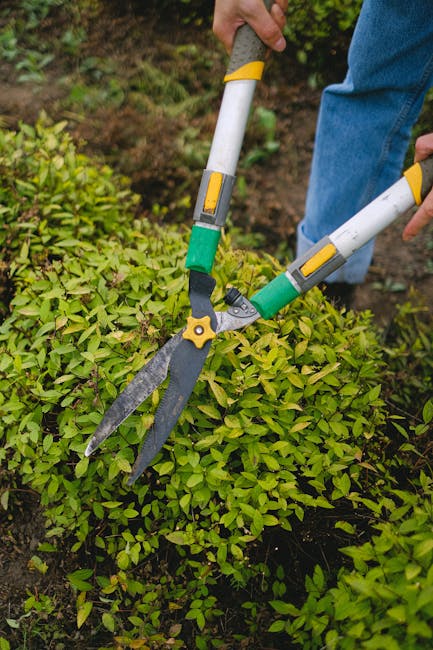
Mortlake hedge trimming access problems and solutions

If you have ever stood in a Mortlake garden and looked at a hedge thinking, how on earth is anyone meant to get to that?, you are not alone. Hedge trimming sounds simple until the access becomes the real job: narrow side passages, locked gates, awkward corners, neighbour boundaries, unstable surfaces, or hedges that have grown a little too confident for their own good. This guide to Mortlake hedge trimming access problems and solutions explains what usually goes wrong, why it matters, and how to handle it without turning a tidy trim into a stressful day.
Whether you are a homeowner, landlord, managing agent, or simply trying to keep a boundary hedge under control, the answer is rarely just "cut it back." The smarter approach is to assess the access, reduce risk, plan the cut, and choose the right method for the garden in front of you. That is what we will break down here, in plain English, with practical steps you can actually use.
Why Mortlake hedge trimming access problems and solutions Matters
Access is often the hidden factor that decides whether a hedge trim is straightforward or awkward. In Mortlake, gardens can be compact, terraced, shared, or split across unusual boundaries, and that creates very real limitations. A hedge may be perfectly healthy and well maintained, but if there is no safe route to it, the work becomes slower, riskier, and sometimes incomplete.
That matters for more than convenience. Poor access can lead to missed sections, uneven cutting, damage to lawns or paving, strained neighbour relations, and higher labour time. It can also increase the chance of accidents if someone is trying to carry ladders, tools, or cuttings through a tight space. Let's face it, nobody wants a clean hedge and a wrecked flower bed.
There is also a planning angle. Many boundary hedges in London gardens sit between two properties, near fences, sheds, patios, or side returns. If the access route has not been considered in advance, the job can spiral into a series of workarounds. A good solution is not just about trimming; it is about preparing the route, protecting the site, and making sure the cut can actually be finished properly.
If you are already thinking about wider garden upkeep, it can help to look at regular garden maintenance support as part of the same seasonal plan, rather than treating hedge work as a standalone emergency.
How Mortlake hedge trimming access problems and solutions Works
The basic process starts with a quick but honest site assessment. Where is the hedge? How tall is it? Can a ladder be placed safely? Is there a side passage wide enough for movement? Are there trip hazards, slippery slabs, low branches, or fragile surfaces? These questions sound simple, but they shape everything that follows.
Once the access issues are clear, the solution is usually a mix of preparation and method choice. Some hedges can be trimmed from one side only. Others need careful sectional cutting. In tighter gardens, long-reach tools may be used to reduce the need to climb or stretch. In more difficult cases, temporary access adjustments are needed: gates unlocked, furniture moved, bins shifted, and a clear working lane created.
Good hedge work also depends on understanding how the hedge grows. A neat cut is not just cosmetic; it encourages healthier regrowth and keeps the hedge manageable next time. That is why access problems and hedge health should be considered together. A hedge that is trimmed badly because the crew could only reach half of it ends up creating more work later. Pretty obvious, but it happens all the time.
Where the hedge forms part of privacy screening or boundary shaping, it may help to read up on design ideas like modern hedge-line styling ideas or explore which species may suit a tighter space through private haven hedge options. That kind of planning makes access easier in the long run.
Key Benefits and Practical Advantages
When access issues are handled properly, the benefits are immediate and easy to notice. The garden looks cleaner, the work is finished more efficiently, and there is less chance of accidental damage. But the real gain is calmer decision-making. You are not improvising under pressure; you are working with a plan.
- Safer working conditions: fewer awkward reaches, less ladder shuffling, and a lower chance of slips or snags.
- Cleaner finish: when the access route is clear, the hedge can be cut more evenly from the right angle.
- Less garden disruption: borders, paving, lawn edges, and decorative features are easier to protect.
- Better neighbour relations: tidy planning helps avoid messy overspill, blocked paths, or disputes over boundary access.
- More efficient visits: less time spent moving things around means more time shaping the hedge properly.
There is also a longer-term advantage. If you know the access bottleneck, you can solve it once and save yourself repeated hassle. Maybe that means widening a path slightly, changing how garden furniture is arranged, or deciding that a side gate should stay unlocked on work days. Small adjustments, big relief.
Who This Is For and When It Makes Sense
This topic is relevant to more people than you might expect. Homeowners with mature hedges, landlords keeping rental properties presentable, and anyone with a boundary hedge near a shared passage will recognise the same headaches. It also matters for properties with rear access only, or where the hedge sits behind a narrow deck, patio, or raised bed.
It makes particular sense when:
- the hedge can only be reached through a side return or narrow alley;
- there is no easy place to set up a ladder or step platform;
- the hedge is close to a fence, wall, or neighbour's structure;
- the garden has awkward levels, wet surfaces, or tight turning space;
- the hedge has become overgrown and now blocks its own access.
It is also sensible if the hedge trimming is part of a broader tidy-up. If the garden has been neglected for a while, a combined visit that includes reviving a forgotten outdoor space can often solve access, visibility, and overgrowth in one go.
And if the hedge is tangled with ivy or climbing growth, access becomes even trickier. In that case, it may be worth reviewing ivy removal advice before the cutting begins, because a hedge buried in climbers is not a fun surprise. Truth be told, it can be a bit of a knotty mess.
Step-by-Step Guidance
Here is a practical way to approach Mortlake hedge trimming access problems and solutions without overcomplicating things.
-
Inspect the access route first.
Walk the route from the gate or side passage to the hedge. Look for loose slabs, narrow pinch points, low branches, locked barriers, bins, garden toys, or anything else that could cause a delay.
-
Check both working space and exit space.
It is not enough to get in. You also need room to carry clippings out, move tools, and turn safely. A hedge trim that starts well can still become awkward if the exit route is blocked by debris halfway through.
-
Protect surfaces and features.
Use coverings or careful movement to avoid marking decking, scratching paving, or bruising nearby plants. If the area includes a patio, a separate clean-up plan may help, especially where a tidy finish matters. For that, some homeowners combine hedge work with patio cleaning or other surface refresh tasks.
-
Choose the right tools for the access level.
Compact hand tools may be better in confined areas, while long-reach equipment can reduce the need to climb. The best tool is the one that lets you work accurately without forcing access that simply is not there.
-
Trim in sections.
On difficult hedges, work from the top down or from the most accessible side first. This gives better control and helps avoid overcutting just because one area is harder to reach.
-
Clear and collect as you go.
Do not leave cuttings to pile up where they narrow the route even more. Small, regular clearance keeps the job manageable and safer. A tight garden can feel twice as small once the trimmings start falling, which is mildly annoying, to put it politely.
-
Review the finish and the access problem together.
After the trim, ask what caused the biggest difficulty. Was it the path width, the hedge shape, the gate position, or a fixed object in the way? That tells you what to change before the next visit.
Expert Tips for Better Results
From a practical garden-management point of view, the best hedge access solution is often the one that reduces friction before the job starts. In our experience, a little prep can save a lot of faffing about later.
1. Keep a permanent clear route where possible
If there is one side path or rear route used for hedge work, keep it free of planters, hose reels, bikes, and storage boxes. You do not need a showroom. You just need a lane wide enough for movement.
2. Think about hedge shape as well as hedge height
A hedge that bulges into a walkway is more than an aesthetic issue; it directly reduces access. Regular shaping is often easier than waiting until the hedge has become a green wall. For inspiration on balanced shapes and boundary styles, this hedge styling guide is worth a look.
3. Use timing to your advantage
After rain, tight routes can become slippery, especially on shaded Mortlake patios or narrow side returns. If possible, choose a dry window. Early morning can be useful if it is cooler and calmer, though the ground may still be damp. It's one of those small judgment calls that makes a surprisingly big difference.
4. Don't ignore the hedge species
Some hedges respond well to regular light trimming; others need a more cautious approach because they are woody or slow to recover. If the hedge also supports shade, privacy, or climbing plants nearby, browse evergreen climbers for shaded spaces for ideas that can reduce future pressure on the main hedge line.
5. Plan for the cuttings
People often focus on where the trimmer goes, but the cuttings are the thing that clogs access. Have bags, tarps, or a collection spot ready before you begin. Otherwise the path slowly disappears under foliage and everyone starts stepping over twigs like it is some kind of mini obstacle course.
Common Mistakes to Avoid
Most hedge access problems are manageable. The real trouble starts when people make the same avoidable mistakes over and over.
- Starting without a route check. If you do not inspect the approach, you may discover the blockage after the tools are already out.
- Using the wrong ladder or platform. A stable setup matters more than squeezing into a tricky angle.
- Overreaching from one position. This is how uneven cuts and strained backs happen. Not worth it.
- Trimming too much at once. If the hedge is hard to reach, aggressive cutting can leave an ugly, lopsided result.
- Ignoring neighbouring boundaries. Access issues often sit right beside ownership or boundary sensitivities. A quick conversation can save hassle later.
- Forgetting to remove obstacles first. A birdbath, chair, wheelie bin, or child's toy can turn a simple route into a clumsy one very quickly.
A less obvious mistake is assuming the issue is always the hedge itself. Sometimes the hedge is fine; the real problem is poor garden layout. That is why a broader view helps, especially if the access route is also used for mowing, planting, or storage. If the rest of the garden needs a reset too, low-effort garden ideas may help simplify the whole space.
Tools, Resources and Recommendations
You do not need a van full of specialist kit to deal with access issues, but the right tools make a visible difference. A tidy, well-chosen set-up usually beats brute force. Every time.
| Tool or resource | Best use | Why it helps with access |
|---|---|---|
| Long-reach hedge trimmer | Tall or deep hedges | Reduces ladder dependence and lets you work from safer positions |
| Hand shears | Small corrections and tight corners | Useful where larger tools cannot fit without bumping walls or fences |
| Sturdy ladder or platform | Higher hedge sections | Creates a stable working height if access and ground conditions allow it |
| Tarpaulin or collection sheet | Cutting and clearing debris | Keeps narrow routes cleaner and reduces repeated trips |
| Protective coverings | Decking, paving, planting borders | Helps prevent scuffs and accidental damage in tight working spaces |
| Garden storage reorganisation | Long-term access improvement | Frees up working routes instead of fighting them every season |
If you are choosing a professional service approach, it can also help to compare broader support options such as general gardening services, lawn care, or a more specific hedge trimming service in Mortlake depending on how much of the garden needs attention.
For gardens with tougher overgrowth, a bit of support from the wider toolkit can make a difference too. The guide on useful garden tools is a good reminder that efficiency often starts with preparation, not effort.
Law, Compliance, Standards and Best Practice
When hedge trimming involves awkward access, the main concern is usually safety and good neighbour practice. While this article is not legal advice, there are a few sensible expectations to keep in mind in the UK context.
First, anyone working at height or using sharp tools should take safety seriously. That means stable footing, sensible tool handling, and not taking shortcuts because the hedge is awkward. If a route is too narrow or the surface too unstable, it may be better to change the method rather than push ahead. There is nothing heroic about wobbling on a bad surface with hedge shears in hand.
Second, boundary work should be approached carefully. If the hedge is shared, overhangs a neighbour's garden, or sits close to a fence line, it is worth checking ownership and access arrangements before work begins. Clear communication is usually enough to prevent most disputes.
Third, a professional approach should respect site-specific safety information, privacy, and insurance expectations. For households comparing service providers, the supporting pages on insurance and safety, health and safety, and terms and conditions are useful trust signals, especially where access is difficult or tools need to be carried through shared spaces.
Best practice is simple enough: plan the route, use the safest workable method, protect surfaces, and leave the site tidy. If access is genuinely unsuitable, adjust the job rather than forcing it. That is the mark of a careful service, not a timid one.
Options, Methods, and Comparison Table
There is rarely one perfect way to tackle access problems. The best method depends on hedge height, route width, surface condition, and how much of the hedge can be reached from the safe side.
| Method | Best for | Pros | Watch out for |
|---|---|---|---|
| Hand trimming from the accessible side | Smaller hedges and tight gardens | Precise, controlled, low risk | May leave the far side less even if access is very limited |
| Long-reach trimming | Taller hedges with narrow ground access | Reduces ladder use, good reach | Can be tiring if overused on dense growth |
| Sectional trimming with clear-down breaks | Overgrown hedges and cluttered routes | Keeps the site manageable | Needs patience and good sequencing |
| Temporary garden reorganisation | Paths blocked by furniture, bins, or storage | Improves access fast | Requires planning and sometimes neighbour coordination |
| Combined hedge and garden tidy-up | Neglected or heavily overgrown spaces | Solves multiple problems at once | Can take longer, but usually worth it |
If the hedge is part of a bigger outdoor refresh, it may be wise to combine the job with other nearby tasks such as landscaping support, fencing work, or tree surgery where overhanging branches are limiting access.
Case Study or Real-World Example
Picture a typical Mortlake side return: a slim passage, a gate that opens inward, a hedge running beside a fence, and a few pots tucked just where no one wants them. The hedge has not been cut for a while, so the top leans over the path and the lower growth blocks the route even more. On paper, it looks like a simple trim. In reality, it is a traffic management problem with leaves.
The first step is to clear the route. Pots are moved, the gate is secured open, and the slabs are checked for damp patches. The hedge is then worked in sections from the safest standing point, with cuttings collected into manageable piles rather than left to spread along the path. The most crowded part of the hedge is reduced first so the route opens up gradually.
By the end, the hedge looks balanced again, but the better result is the one you cannot see at first glance: the garden is easier to use. The side passage no longer feels squeezed, the boundary line is clearer, and the next trim will be far simpler because the access problem has been addressed instead of ignored.
That is the quiet value of good hedge access planning. It is not flashy. It just works, and the garden feels more breathable afterwards.
Practical Checklist
Use this quick checklist before any hedge trimming session where access may be tight.
- Confirm how the hedge will be reached.
- Clear the route of bins, tools, toys, furniture, and loose pots.
- Check ground conditions for slips, soft patches, or uneven surfaces.
- Decide whether ladders, long-reach tools, or hand trimming are safest.
- Protect paving, decking, borders, and fragile planting.
- Plan where clippings will go before you start.
- Check if the hedge is shared, boundary-related, or affected by neighbouring structures.
- Make sure the exit route is as clear as the entrance route.
- Leave time for a final tidy-up, not just the cut.
- Review what made the access difficult so it is easier next time.
Expert summary: The best hedge trimming outcome usually comes from solving the access problem first and the cutting problem second. Clear route, safe method, tidy finish. That order matters more than people think.
If you are thinking about broader service help or want someone to look at a tricky garden setup properly, a simple next step is to get in touch about your garden access and hedge trimming needs. Sometimes a quick chat saves a lot of trial and error.
Conclusion
Mortlake hedge trimming access problems and solutions are really about making the job workable, safe, and neat in the real world. The hedge may be the visible issue, but the route to it, the space around it, and the way the work is staged usually decide the final result. Once you understand that, the whole task becomes less stressful.
In practical terms, the answer is usually a combination of planning, route clearing, the right tools, and a method that suits the garden rather than fights it. That might mean a small change to the layout, a more careful trim style, or simply asking for help before the hedge becomes too awkward to manage alone.
Get a free quote today and see how much you can save.
And if you take one thing away from this guide, let it be this: a difficult access route is not a dead end. It is just a problem with a solution, usually a very ordinary one, which is exactly why it works.
Frequently Asked Questions
What are the most common hedge trimming access problems in Mortlake?
Typical issues include narrow side passages, blocked gates, slippery paving, awkward boundary placement, overgrown hedges that narrow their own access, and garden furniture or storage getting in the way.
Can hedge trimming still be done if the hedge is only reachable from one side?
Yes, often it can. The hedge may need to be trimmed in sections, with careful shaping from the accessible side. The finish depends on the species, size, and how much of the hedge can be safely reached.
Do access issues make hedge trimming more expensive?
They can, because difficult access usually takes longer and may require extra preparation. The exact cost depends on the site, the size of the hedge, and the level of obstruction.
Should I clear the garden before hedge trimmers arrive?
Yes, if you can. Moving bins, toys, chairs, and plant pots saves time and reduces the risk of damage. It also helps create a clear route for tools and clippings.
What is the safest way to handle a tall hedge with poor access?
Usually the safest option is to use the most stable working position available, avoid overreaching, and choose tools that reduce the need for climbing. If the area feels unsafe, the method should change rather than forcing the job.
Can neighbour boundaries affect hedge access in Mortlake?
Yes. Shared hedges and close boundary lines can create practical and social complications. It is sensible to check access arrangements and keep communication clear before work starts.
How can I make future hedge trimming easier?
Keep a permanent access route clear, trim more regularly, and avoid allowing the hedge to spill into walkways. Small layout changes can make a big difference over time.
What should I do if the hedge is tangled with ivy or climbers?
Work more carefully, because climbers can hide the hedge structure and make access awkward. It may help to deal with the ivy first or alongside the trim, especially if the growth is dense.
Is it better to trim a hedge in dry weather when access is tight?
Usually, yes. Dry ground is easier and safer to work on, especially in narrow paths or shaded side returns. Wet surfaces can make a small access issue feel much bigger.
Do I need a professional for a difficult hedge access job?
Not always, but professional help can be useful if the hedge is tall, the access is very narrow, the ground is unstable, or the boundary setup is complicated. A second pair of experienced eyes can save a lot of hassle.
Can hedge trimming and wider garden maintenance be done together?
Absolutely. In many cases, combining hedge work with general tidy-up tasks makes the access route clearer and the result more polished. It is often the more efficient choice.
What if I am not sure whether the hedge is mine or shared?
Pause before trimming and check the boundary arrangement. If the hedge straddles a line or serves both properties, it is worth clarifying ownership and responsibilities first. That avoids awkward conversations later.